The adhesive and sealant industry at the heart of EU competitiveness
Multiplying innovation and circular economy impact across strategic value chains


contribution to the European economy

of adhesives and sealants companies are SMEs

© Georges De Kinder
FEICA – the Voice of the European Adhesive and Sealant Industry
With the support of its members and national associations, FEICA represents an industry where 85% of companies are SMEs and closely embedded in European value chains.
Our Role
FEICA provides regulatory guidance, helps members navigate compliance requirements and fosters collaboration with industry stakeholders to contribute to a predictable, balanced and effective EU legislative environment. 
The Adhesive & Sealant Industry in Europe

A highly skilled workforce of
50,000 people

A&S are essential for
250,000 products
A&S companies

manufacturing sites
€20.7 billion
contribution to the European economy

€580 million
invested in Research and Development, anually

Circularity. Innovation. Prosperity.
The contribution of the European adhesive and sealant industry to Europe’s economy and strategic priorities

Circularity
that Works for Europe
Adhesives and sealants help advance a circular economy across value chains by enabling redesign, reducing material use and improving durability. They also support repair, reuse and high-quality recycling, including through solutions that allow non-destructive disassembly when needed.

Innovation
that Works for Europe
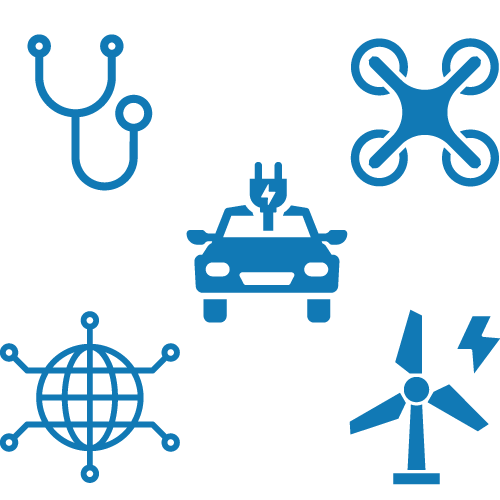
The European adhesives and sealants industry enables innovation in strategic sectors including healthcare, digital technologies, transport, defence and energy, supporting Europe’s strategic autonomy. The sector invests around 580 million euros annually in research and development through partnerships with leading innovative industries.
Prosperity
that Works for Europe
The European adhesives and sealants industry contributes to Europe’s socio-economic development through high-quality jobs across R&D, manufacturing and business development. With 85% SMEs, it is a key economic driver, contributing 20.7 billion euros to the European economy while enabling everyday products that improve lives.